
How to build a deck in Pokémon TCG Pocket
Build your first Pokémon Pocket deck
Start fast with Ninetales and Rapidash or give Venusaur ex time to grow. Both 20-card lists explain what to play and why.

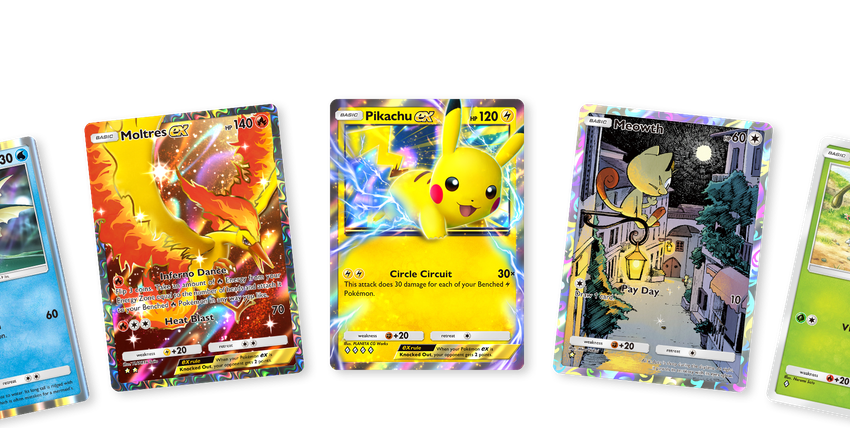
Tap a card to read it at a larger size.
What do you want your deck to do?
Say you’ve pulled a Ninetales and want to play it. Before picking the other cards, picture the first few turns. Do you want to hit while your opponent is still looking for an Evolution? Or would you rather take a few hits while a bigger Pokémon gets ready on the Bench? “I want to win by…” is a good sentence to finish before you pick all twenty cards.
Both ideas get a full deck list here. Start with the rules, look through the cards, then try a few games. There are worked examples for the turns that are easy to get wrong. If you play with a friend, pick a close turn afterwards and see whether either of you would play it differently.
Both lists use Genetic Apex and Promo-A cards so you can try out the two ideas with cards from the early sets. Later sets give you more options. Check the eligible cards before taking either list into a format with a restricted card pool. The rules and card details were checked on 19 November 2026.
Twenty cards, three points
- A deck has exactly 20 cards and at least one Basic Pokémon.
- You get two copies of any one card name. A different illustration of Ninetales still counts as Ninetales. A regular Pokémon and its ex version count as different names.
- You draw five cards to start, including at least one Basic Pokémon. One Pokémon goes in the Active Spot and up to three can sit on the Bench. That’s where you can get your next attacker ready.
- The first player to reach three points wins. A regular Knock Out is usually worth one point, a Pokémon ex is worth two, and a Mega Evolution Pokémon ex is worth three. You also lose if you run out of Pokémon in play, whatever the score.
- Your deck has no Energy cards. The Energy Zone supplies Energy separately. You can normally attach the Energy it gives you once per turn. If you go first, it gives you none on that opening turn. Some cards let you attach extra Energy.
- A Pokémon has to be in play from a previous turn before it can evolve. You also can’t evolve on your own first turn or evolve the same Pokémon twice in a turn, unless a card effect allows it.
Get your draws, Evolutions, heals and switches out of the way before you attack. Attacking normally ends your turn. You can retreat once per turn by paying the Retreat Cost on the card. If a card effect switches a Pokémon, follow the effect’s instructions.
How to read a card for your deck
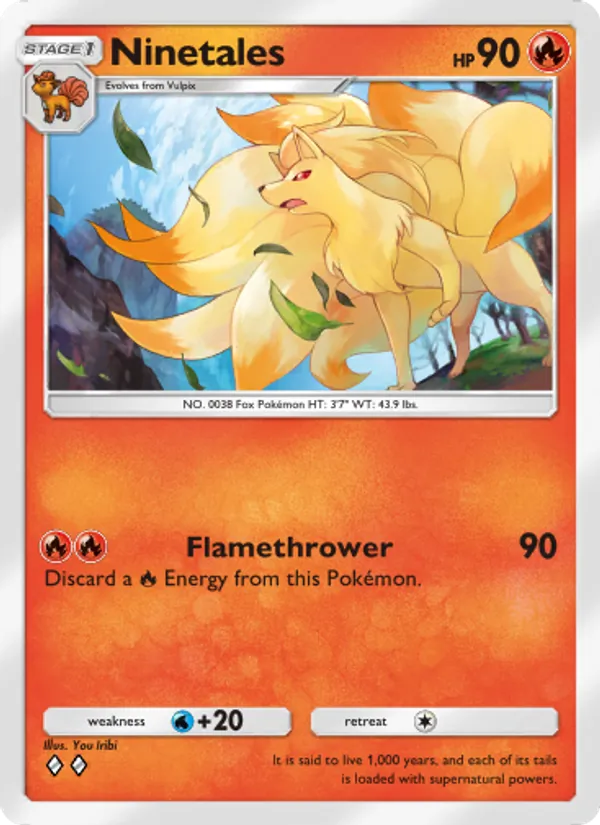
A closer look at Ninetales
Take Ninetales A1-038. It’s a Stage 1 with 90 HP, and Flamethrower deals 90 for two Fire Energy. Now look just below the damage and at the Retreat Cost. Those details tell you how much Energy you’ll need next turn, too.
- What does it evolve from? Those two Ninetales in your list need Vulpix. Check that you have the Basics you’d need to play both copies.
- When can it attack? The two Fire symbols tell you it needs two attachments from the Energy Zone if there’s nothing to speed things up.
- What happens after the hit? Flamethrower discards a Fire Energy. Unless you’ve already put an extra one on Ninetales, you’ll need another to attack again next turn.
- Will it get a turn to attack? Compare the HP it has left with what your opponent can hit for. If it’s likely to go down before you can power it up, put that Energy somewhere safer.
- What does it cost to get out? A normal retreat costs attached Energy. If you send the wrong Pokémon forward, you may have to spend the Energy you were saving for your next attack.
Two cards can both say Ninetales at the top and still have different attacks. When you’re following a list, match the name, expansion and number. Then check the text in the app.
Do you want to attack early or build up?
| Choice | Attack early | Set up and stay in play |
|---|---|---|
| Main Pokémon | Basic or Stage 1, with a one- or two-Energy attack | May need more Energy or a Stage 2 Evolution |
| Early turns | Attack and prepare a second attacker | Keep the Pokémon you’re preparing out of easy Knock Out range |
| Support cards | Draw cards, find Pokémon, boost damage, move between Bench and Active Spot | Draw, Evolutions, extra Energy, healing |
| Key question | Can I score a point before my opponent is ready? | Can I get my attacker ready before my opponent takes another point? |
| Risk | Running short on attackers or falling just shy of a Knock Out | Taking too long to set up or missing the chance to heal |
“Fast” describes how soon the deck can start hitting. The match can still run long, and a deck built to take hits can win quickly if it draws well. If you have only a few minutes, plan enough time to finish either kind of game.
Decide which Energy you need
For a first deck, stick to one Energy type if your attacks allow it. Whenever the Zone generates Energy, you’ll get the colour you chose. You can select up to three types, but the Zone can generate them in any order. With Water and Lightning selected, you might get Water several times in a row.
No Energy symbol beside an attack means you can use it for zero Energy. A Colorless symbol asks for one Energy of any type. So you can pay for one Grass and two Colorless with three Grass. That flexibility can make room for a Pokémon of a different type if its attack and role suit the deck. Check your Energy selection in the deck editor after changing the list.
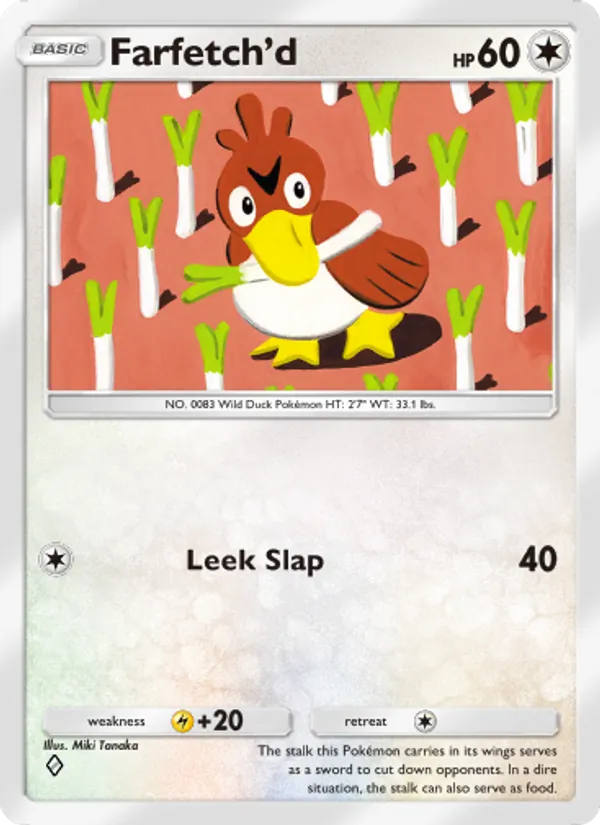
Farfetch’d is easy to power up
Leek Slap does 40 for one Energy of any type. That makes Farfetch’d handy early on. When you add it, though, you take up a slot and make it one of the Pokémon you might start with. Would you be happy to open with it instead of your usual Basic?
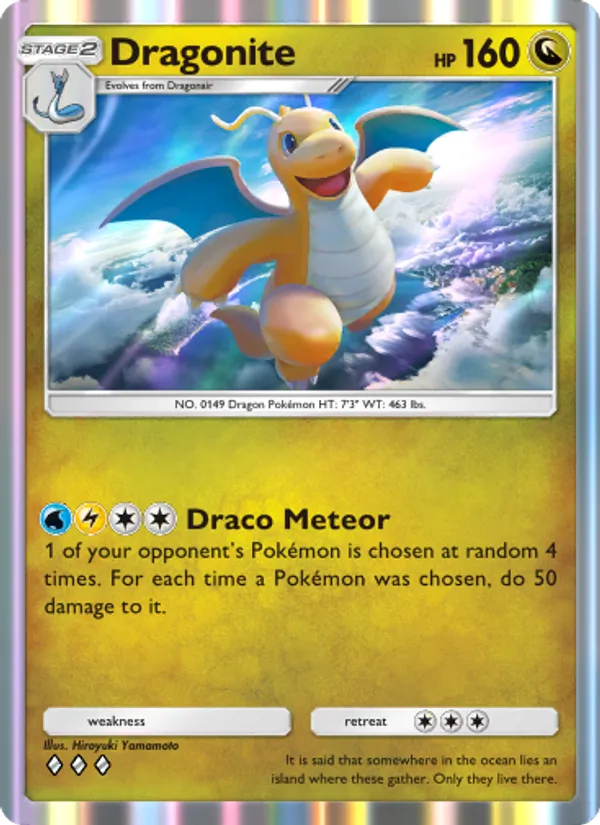
Dragonite needs Water and Lightning
Draco Meteor needs one Water, one Lightning and two more Energy of any type. Four Water on their own won’t do it. You also need time to find the Evolutions and keep Dragonite’s earlier stages in play.
What to look for in your Trainers
Check the label at the top of a Trainer card. You get one Supporter per turn. Draw cards now with a Supporter and you might have to wait a turn to heal, boost your damage or send the opposing Pokémon to the Bench with another one. You can play several Items if their effects can be resolved, and attach one Pokémon Tool to each Pokémon. Stadiums stay in play and can help the other player as well.
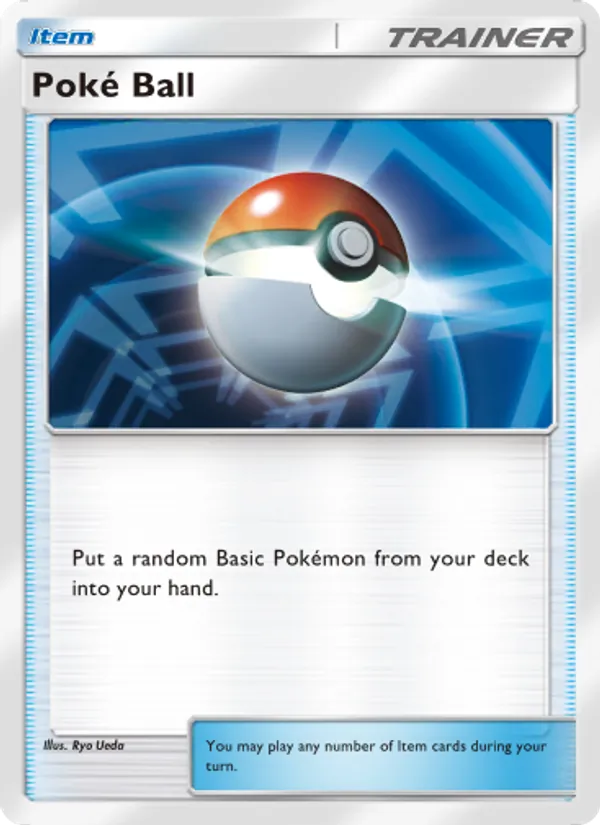
Poké Ball finds a Basic Pokémon
Poké Ball gives you a random Basic from the deck. If you run more kinds of Basics, more names can come up. If you’re waiting on an Evolution, reach for a different card.
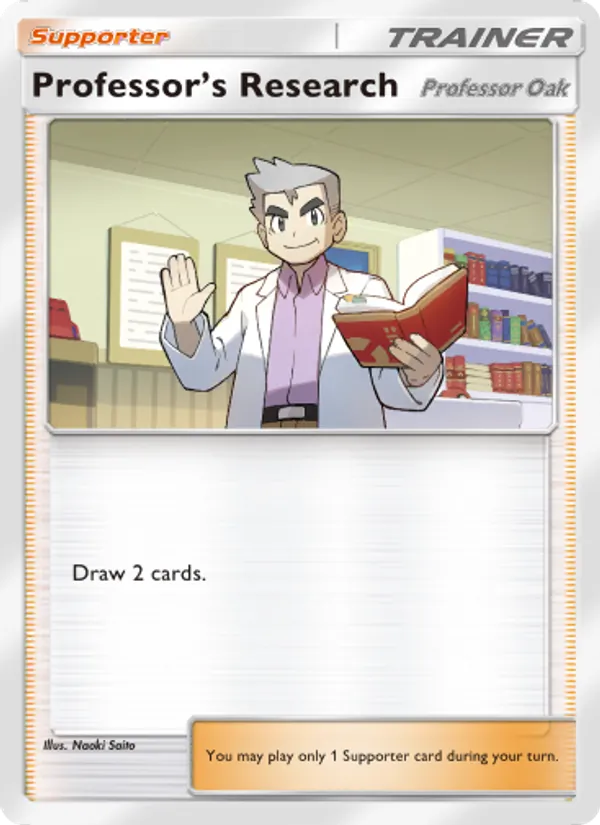
Professor’s Research draws two cards
Need an Evolution or a switch? Two draws give you a better chance of finding it. But that uses your Supporter for the turn. If Blaine can already get you a Knock Out, decide whether you need to draw now or can wait another turn.
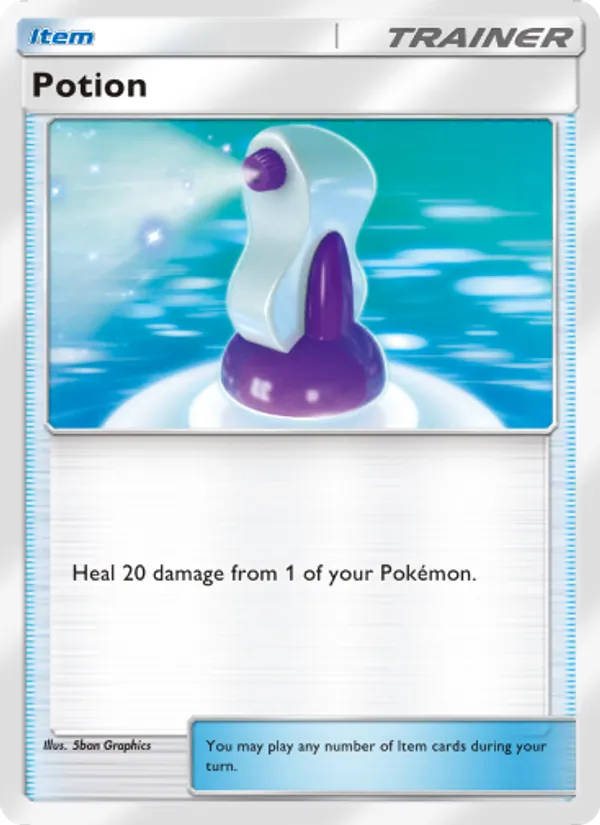
Potion heals 20 damage
Look at what your opponent is likely to hit for. Will twenty more HP keep the Pokémon in play? That can be reason enough to use Potion, especially on a Pokémon you’ve spent several turns powering up. You can only heal up to its maximum HP.
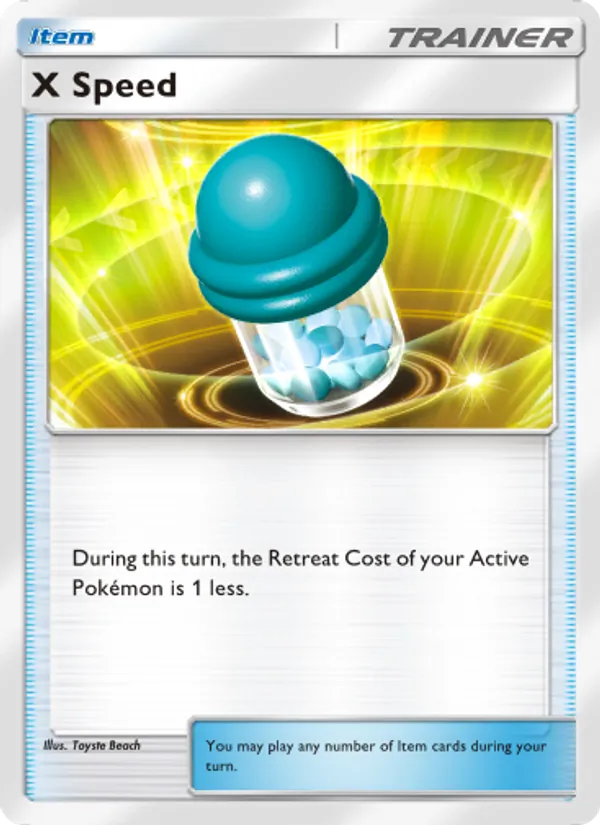
X Speed makes retreating cheaper
Play it before you retreat. It cuts the Retreat Cost by one for that turn, which can save the Energy you’d need to attack later.
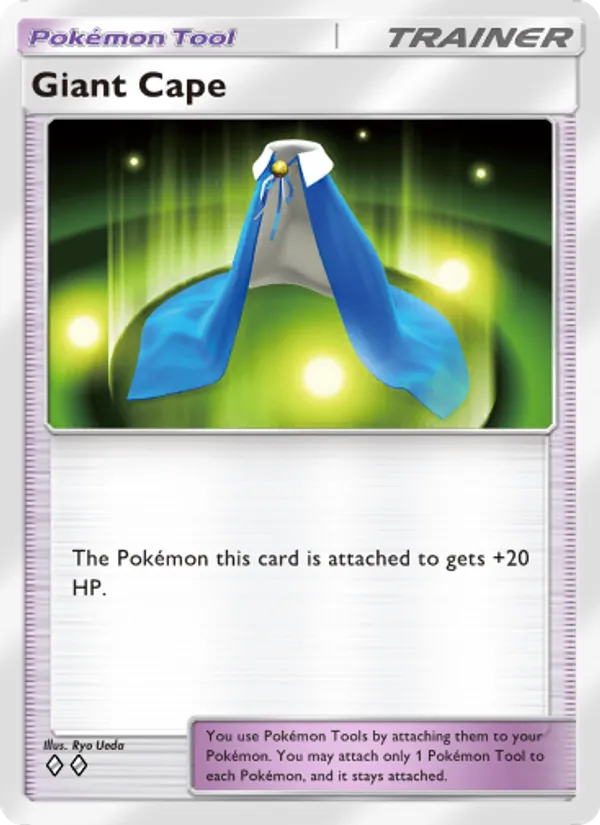
Giant Cape raises maximum HP by 20
Think of a Pokémon that usually goes down in one hit. If another 20 HP keeps it in play, the Cape could earn it another turn. Check what other Tool you’d give up for it.
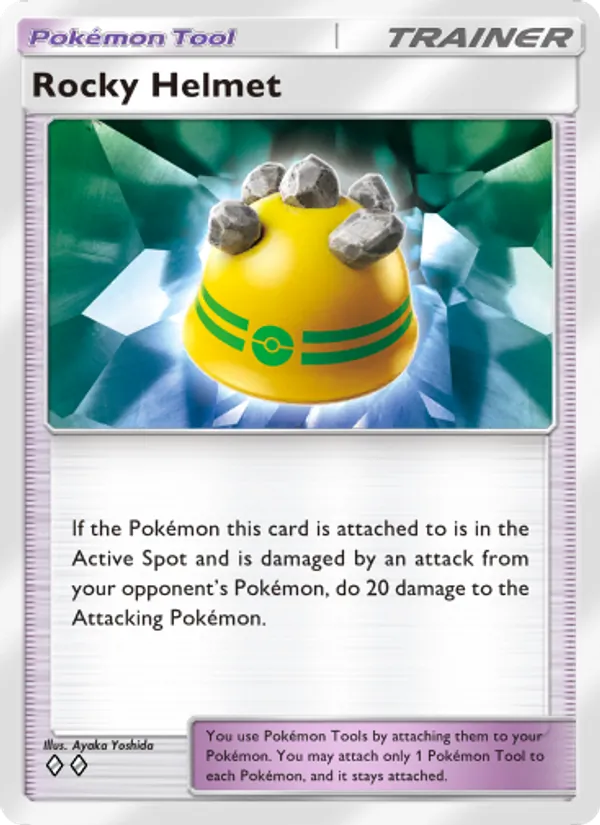
Rocky Helmet chips away at the attacker
Put it on a Pokémon you expect to leave Active. If that Pokémon takes damage from an attack, the attacker takes 20 as well. Count those 20 when working out what you’ll need for a Knock Out next turn.
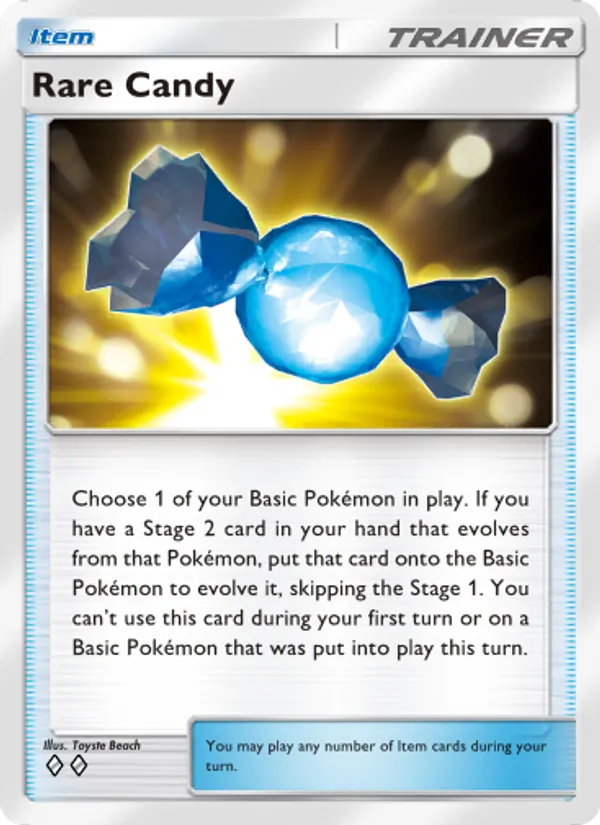
Rare Candy skips Stage 1
Have the Stage 2 in your hand first. Rare Candy can’t be played on your first turn or on a Basic you’ve just put into play. Plan how to find the Candy and the Pokémon it evolves into.
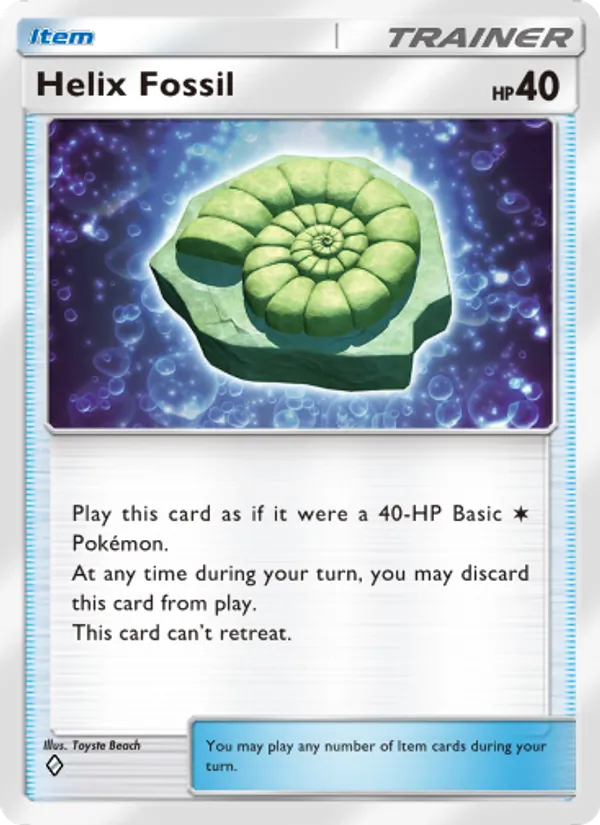
Poké Ball won’t find Helix Fossil
You play Helix Fossil as if it were a Basic Pokémon. While it’s in the deck, it’s a Trainer, so Poké Ball doesn’t count it. The Fossil also can’t retreat.
Will the other player get more out of your Stadium than you do? Read the effect before giving it a slot. You can play one Stadium on your turn. It replaces the one in play, as long as it has a different name. Leaving Stadiums out is fine if the other twenty cards do more for your deck.
The fast deck with Ninetales and Rapidash
Fire Energy only. 8 Pokémon and 12 Trainers. Play two of every card below. Start dealing damage with one or two Energy, then save Blaine for a turn where the extra 30 gets you a Knock Out.
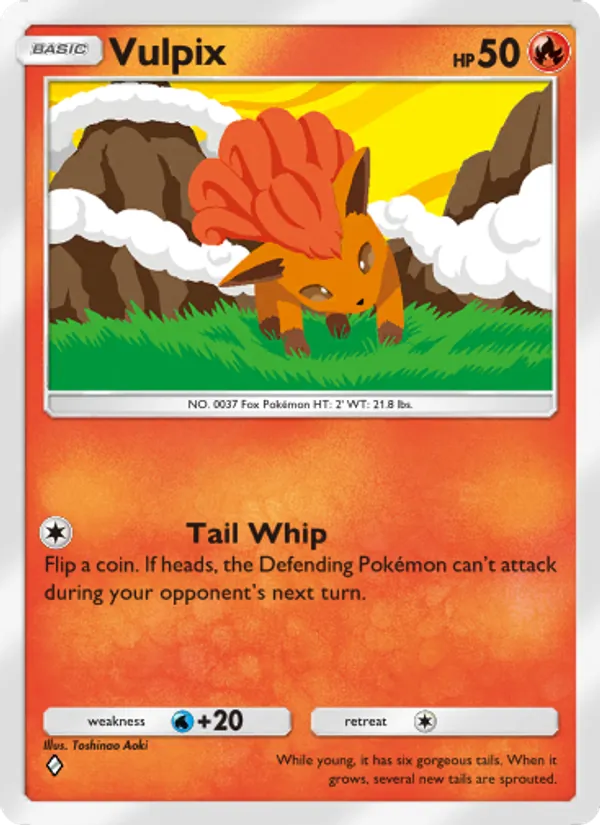
2 Vulpix
Get Vulpix down early if you want to evolve into Ninetales on a later turn. With a heads, Tail Whip can stop the opposing Pokémon from attacking. Keep looking for Ninetales and charging up even if the coin goes your way.
2 Ninetales
This is your 90-damage attack for two Fire Energy. Ninetales is usually left with one Fire after Flamethrower, so budget the next one if you need to hit again. The second copy gives you another chance to get the line into play.
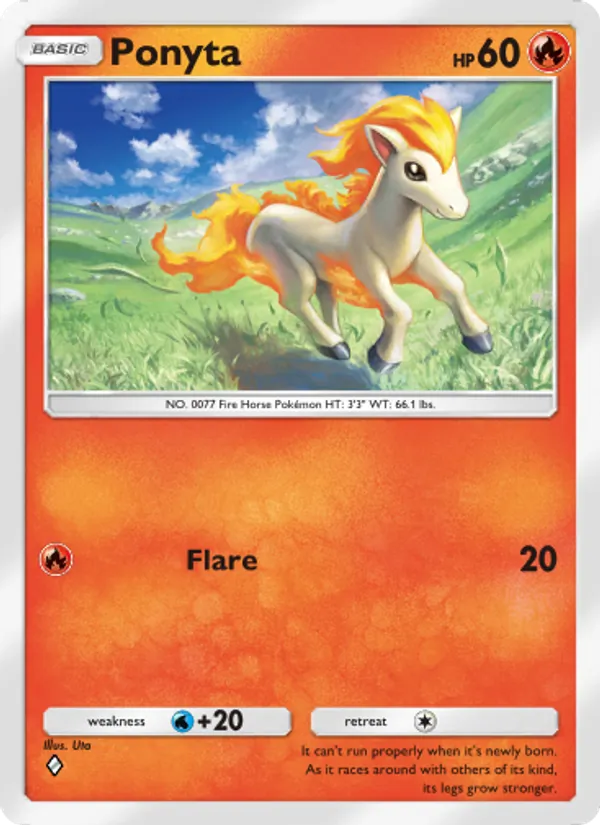
2 Ponyta
For one Fire, Ponyta can put the first 20 damage on a target. If it’s still in play on a later turn you can evolve it into Rapidash and build on that opening hit.
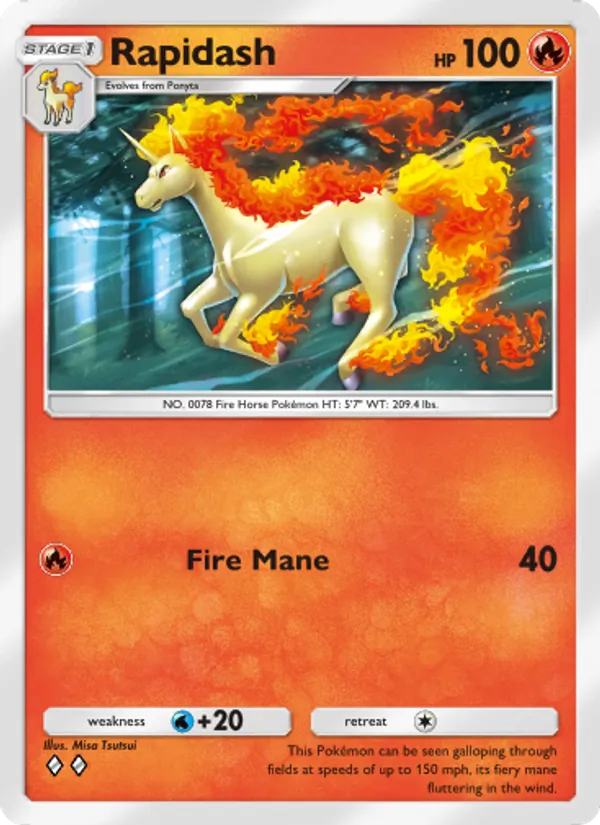
2 Rapidash
Rapidash hits for 40 with one Fire and keeps the Energy after its attack. Once it’s ready, you can send the next Fire to Ninetales without slowing it down.
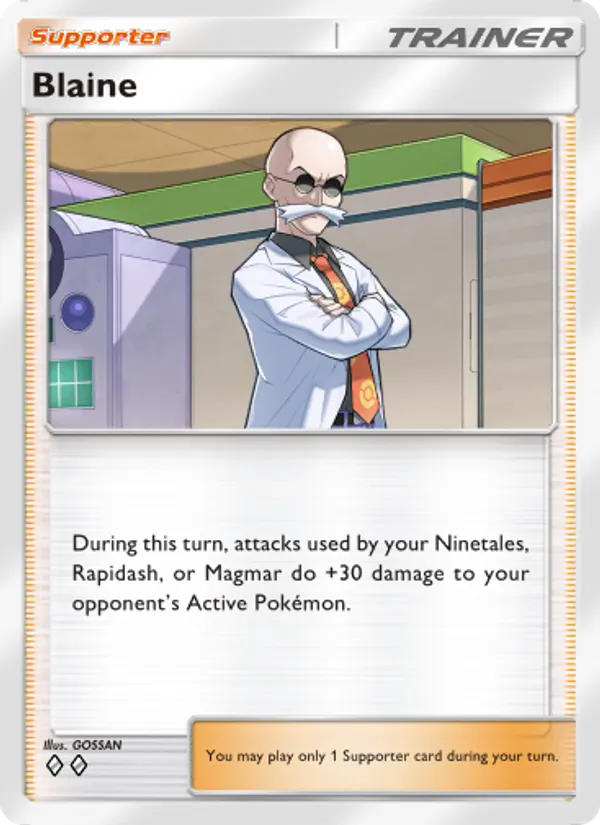
2 Blaine
Blaine adds 30 to attacks from Ninetales, Rapidash or Magmar against the other Active Pokémon. Rapidash goes from 40 to 70, and Ninetales from 90 to 120. Play it when the boost saves you an attack.
2 Poké Ball
In this list, Poké Ball can pull Vulpix or Ponyta. Put a second Basic on the Bench if it’ll give you a way back in after a Knock Out.
2 Professor’s Research
Use the two cards to look for the Evolution or answer you need. Once you’ve played Professor’s Research, Blaine and Sabrina have to wait until a later turn.
2 X Speed
Every Pokémon in this list has a Retreat Cost of one. A single X Speed makes that retreat free for the turn, whether you’re swapping out Vulpix or saving a powered-up attacker.
2 Potion
Twenty HP can buy another attack. If the hit will still Knock Out your Pokémon after the heal, consider saving Potion for one it can keep in play.
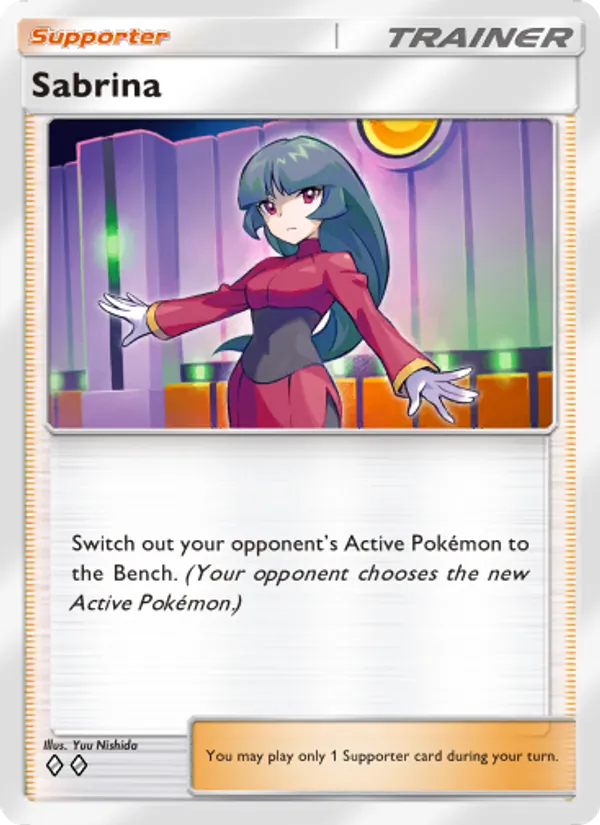
2 Sabrina
Before playing Sabrina, look at the whole opposing Bench. The other player decides which Pokémon moves up. If they’ve already powered up a stronger attacker, you might be moving it into position for them.
Your opening moves
- Open with Vulpix or Ponyta. If the first one could go down soon, get a second Basic on the Bench so you can keep playing. Look for the Evolutions as you draw.
- Ponyta or Rapidash can hit for one Fire. Ninetales takes two. Putting this turn’s Energy on Rapidash means damage now. Sending it to Ninetales can set up the bigger hit next turn.
- Do the maths before you pick a Supporter. Rapidash plus Blaine does 70, enough against 70 HP with no other effects. If the target has 130 HP, even Ninetales plus Blaine comes up ten short before other modifiers.
- As soon as you discard Fire to Flamethrower, think about who should get the next Energy. If Ninetales is likely to go down, you could save it with X Speed and bring in a Rapidash that can attack straight away.
This deck starts to struggle against high HP and healing. If you can’t get a Knock Out this turn, think about where to leave damage for the next one. Be careful how many Supporters you pack. Two copies of Sabrina in your hand don’t get you two switches in the same turn.
The deck that goes long with Venusaur ex and Lilligant
Grass Energy only. 10 Pokémon and 10 Trainers. Take two of each card again. Lilligant attacks while it powers up a Benched Venusaur ex. Once Venusaur takes over, the heals can keep it attacking for another turn.
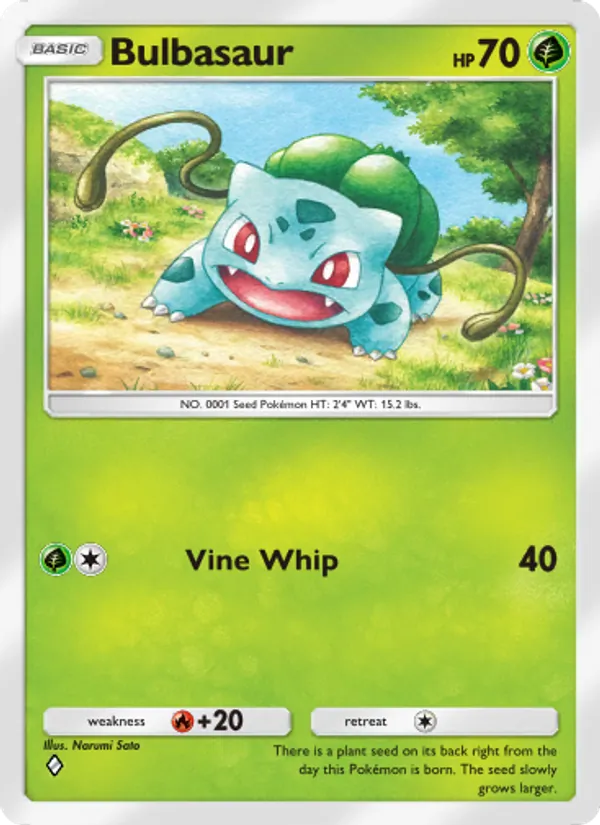
2 Bulbasaur
Get a Bulbasaur down early so it has time to evolve. It can do that on the Bench while another Pokémon takes the hits up front.
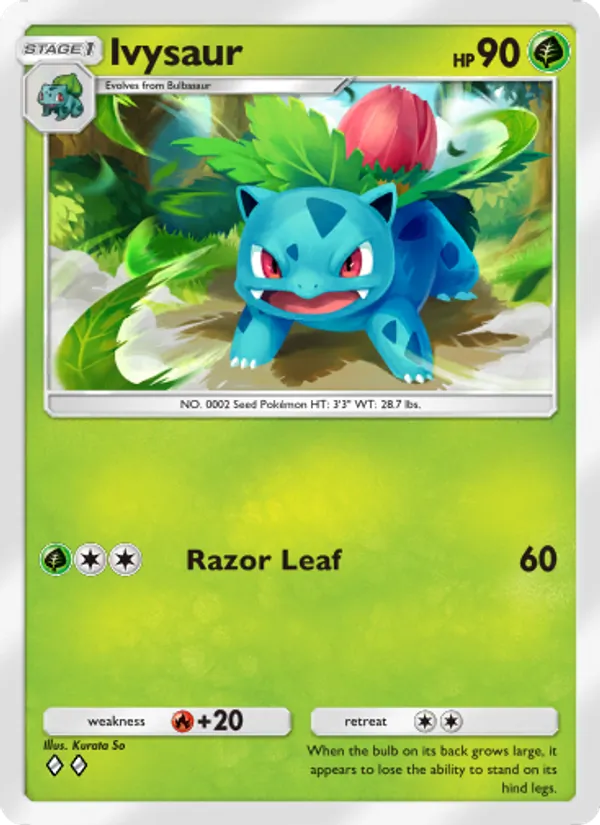
2 Ivysaur
Ivysaur gets you from Bulbasaur to Venusaur ex without Rare Candy. Keeping the whole line here gives you a chance to get used to when you can evolve.
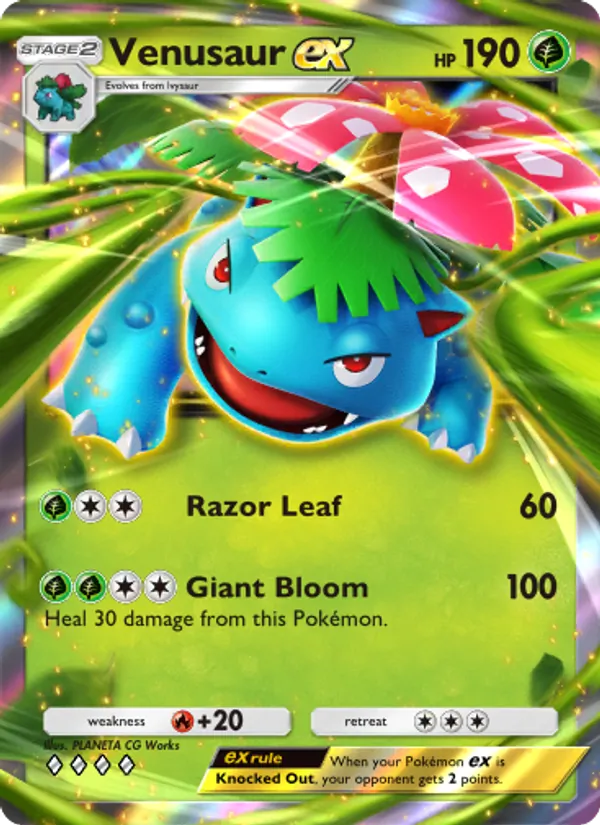
2 Venusaur ex
Venusaur ex has 190 HP. Giant Bloom costs two Grass and two Colorless, deals 100, and heals 30 damage from Venusaur itself. Two copies help you find it and give you a spare if you lose the first one.
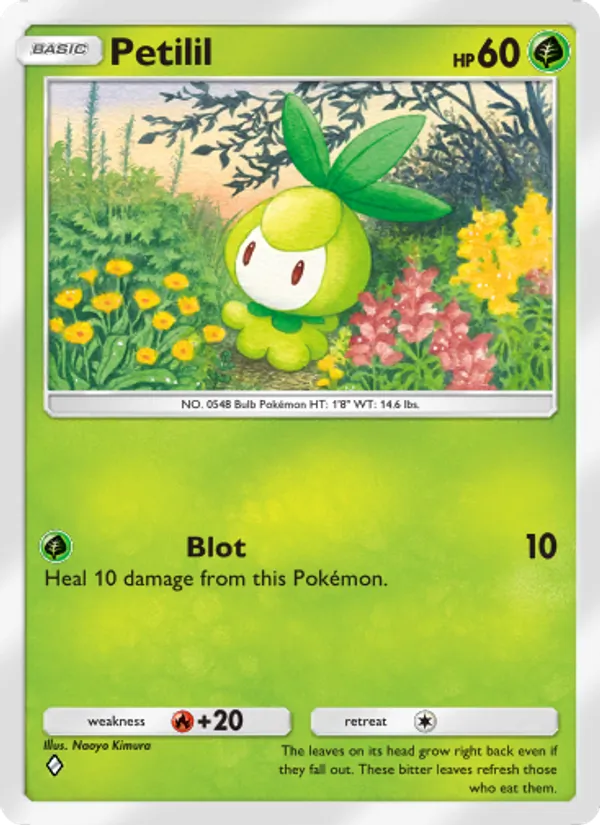
2 Petilil
Petilil can do 10 damage and heal 10 from itself. Keep it alive long enough to evolve into Lilligant. That’s the job you need it to do here.
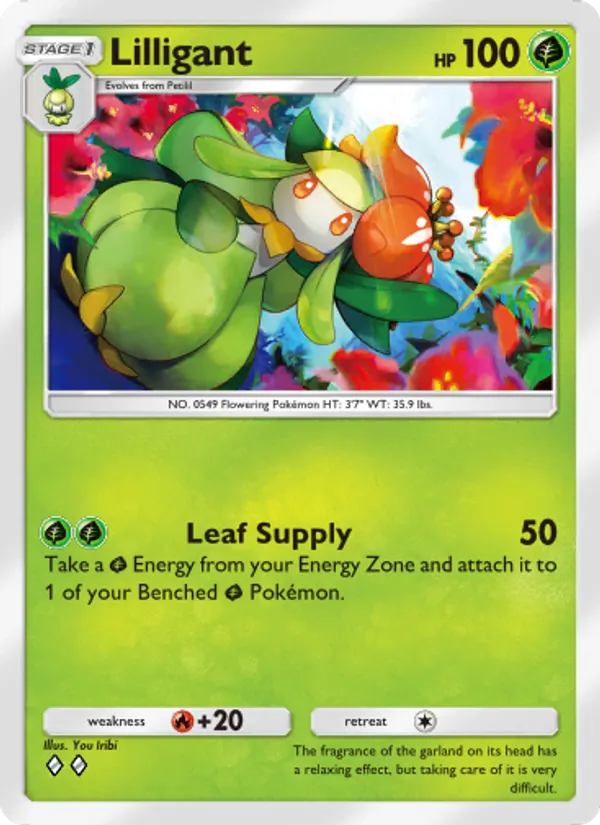
2 Lilligant
For two Grass, Leaf Supply deals 50 and sends another Grass Energy to a Benched Grass Pokémon. Give it to the Bulbasaur line to get Venusaur ex ready while Lilligant is still doing damage.
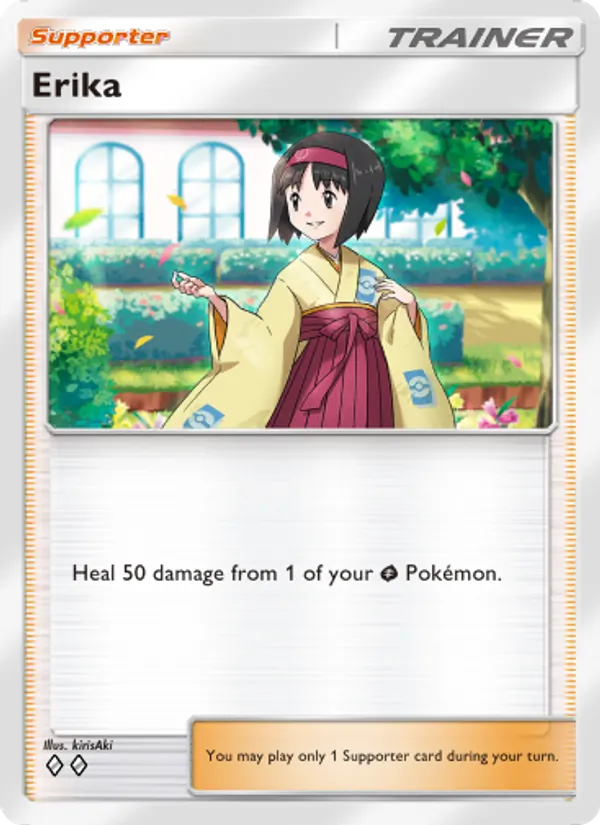
2 Erika
Erika heals 50 damage from one of your Grass Pokémon. That might keep Venusaur ex out of trouble for a turn. Sometimes it pays to use her on Lilligant so it can get one more Energy onto the Bench.
2 Poké Ball
Poké Ball can get you started with Bulbasaur or Petilil. Both help. For Ivysaur, Lilligant and Venusaur ex, you’ll need to draw into them another way.
2 Professor’s Research
Finding a Stage 2 takes several draws. Reach for Professor’s Research if you’re missing a piece, and check whether you’ll need Erika on the same turn first.
2 Potion
Potion gives you a little more healing, even on the turn you play Erika. Any healing beyond the Pokémon’s maximum HP goes unused.
2 X Speed
One X Speed can cover Lilligant’s entire Retreat Cost. Venusaur ex starts at three, so after one X Speed you still have to pay two.
When to bring Venusaur ex forward
- Play Bulbasaur to the Bench when you can keep it out of trouble. If Petilil is Active, start giving it the two Energy it will need as Lilligant while you look for the Evolutions.
- Go from Bulbasaur to Ivysaur to Venusaur ex as the turns allow. You can already use Leaf Supply to give the earlier stages Energy. There’s no need to wait for Venusaur ex to turn up.
- Say Lilligant is Active with two Grass and Bulbasaur has one on the Bench. Give Bulbasaur the Energy from the Zone, then attack with Leaf Supply. Lilligant deals 50 and puts a third Energy on Bulbasaur. On your next turn a normal attachment can put it at four.
- Once Venusaur ex has enough Energy, X Speed can let Lilligant step back for free. If you need Erika, play her before you attack. Giant Bloom will add its own heal when it resolves.
The tricky bit is getting to that first Giant Bloom. If Lilligant goes down before it can pass along Energy and Bulbasaur is still waiting to evolve, 190 HP is still a long way off. Get the Evolutions and Energy going while you have Lilligant up front. Once the other player has two points, check what they could pick off on the Bench, too.
What to swap after a few games
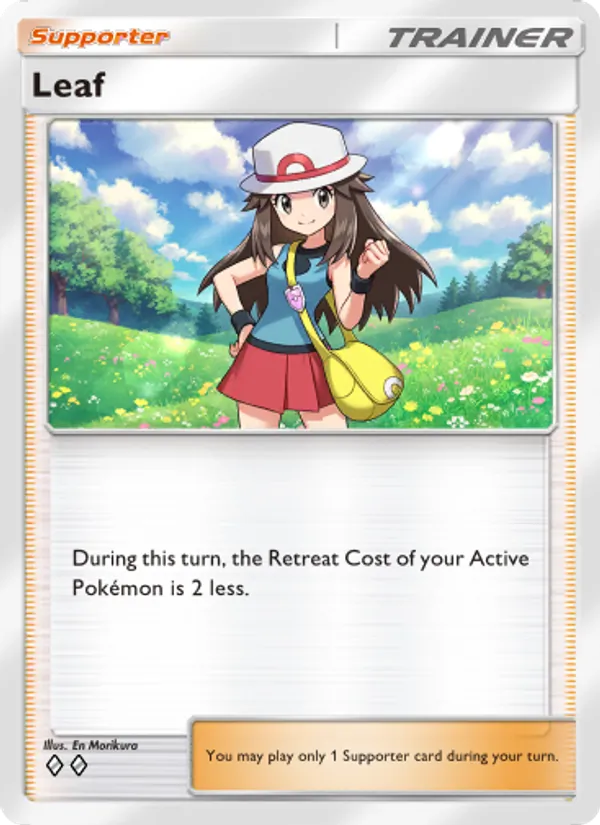
Leaf can help with a costly retreat
Leaf takes two off the Retreat Cost for the turn. Try swapping in one copy for X Speed if that’s a problem you keep running into. Just remember it takes the same Supporter slot as Erika or Professor’s Research.
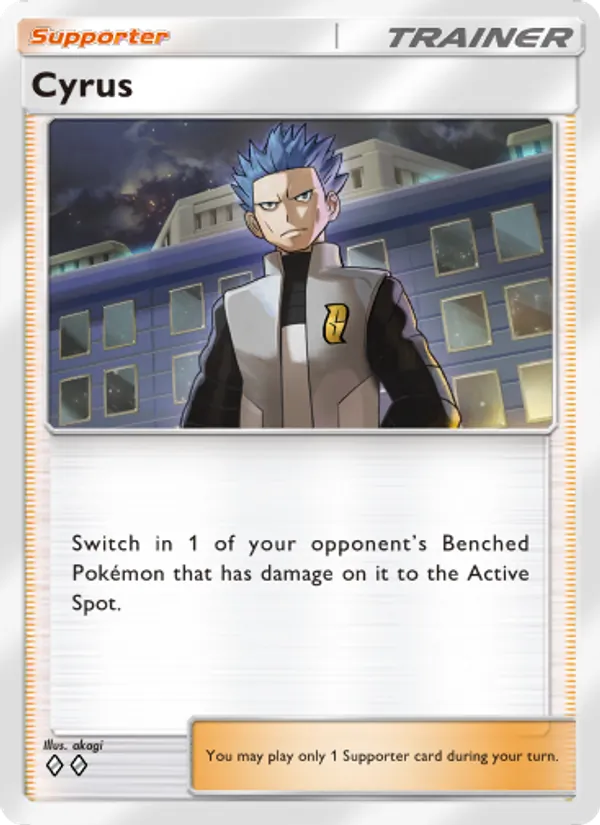
Cyrus can bring up a damaged Pokémon
With Cyrus you can pick a damaged Pokémon from the opposing Bench and bring it forward. Think back to Sabrina. She works without damage on the Bench, but the other player chooses what comes up.
In the Venusaur list, try one Rare Candy in place of one Ivysaur. See how often the Basic, Rare Candy and Stage 2 turn up together. You still have one Ivysaur for the ordinary Evolution. If you keep going down for just a little extra damage, try trading a Potion for Giant Cape and see whether 20 more maximum HP keeps your Pokémon in play. Check which versions of the cards you already have before you start.
Before adding a card, decide which one comes out. You’re still working with twenty. A card that gets you out of trouble against one deck might also make your usual opening harder to draw. Give that swap a few games and see what actually changes.
How the ten types can play
Type is one place to start. Before you choose an attacker, read the actual card and look at the Weakness on its likely target. An attack that hits that Weakness normally gets 20 extra damage, although effects can change it. The type names here match Pocket, including Lightning.
Grass can keep an attacker in play
Venusaur ex is one way to play for a longer game. Check which Benched Grass Pokémon can take Lilligant’s Energy and who gets the most from Erika’s heal.
Fire can cost you Energy after a hit
Ninetales does plenty of damage for two Fire. But if you want to keep using Flamethrower, it can take your usual attachment every turn. That leaves less Energy for the Pokémon you’re building up behind it.
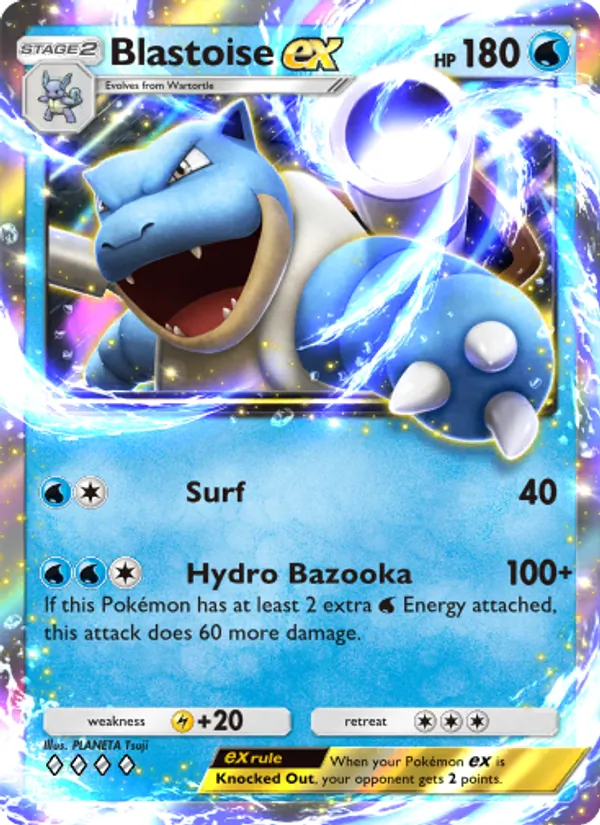
Water can reward a bigger investment
Blastoise ex A1-056 uses Hydro Bazooka for 100 with two Water and one more Energy of any type. Attach two extra Water and it reaches 160. That makes five Energy in total, including at least four Water.
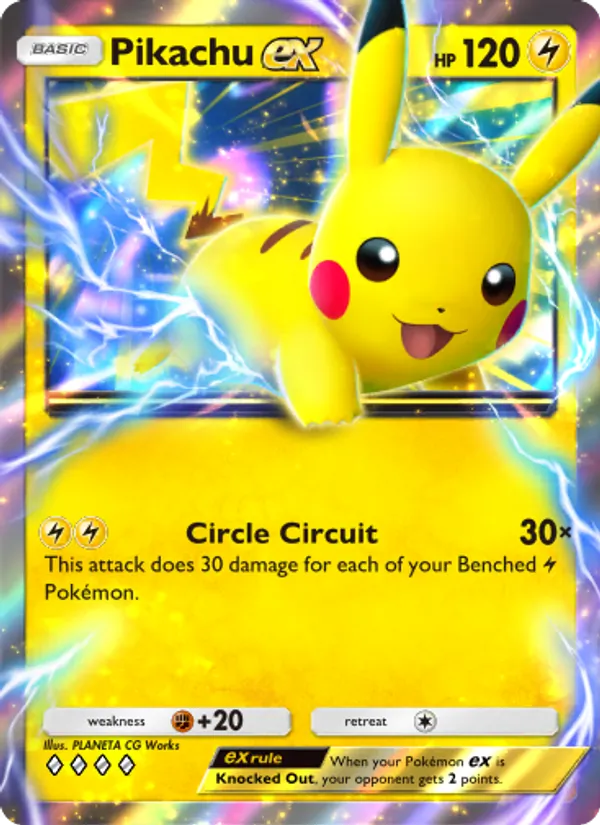
Lightning can make the most of the Bench
Pikachu ex A1-096 deals 30 for every Lightning Pokémon on your Bench, so three give it 90 damage. Your Active Pikachu doesn’t count. Filling a spare spot with another type won’t boost the attack either.
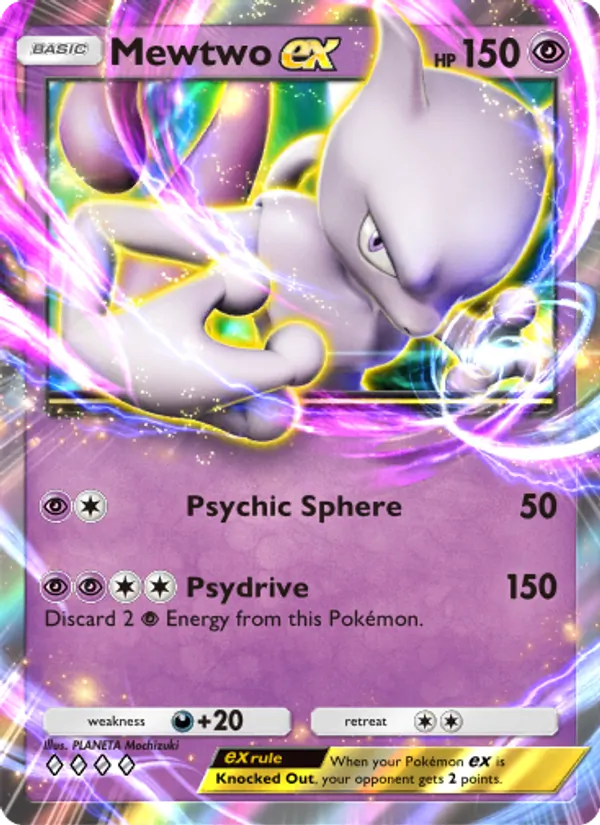
Psychic can power up the next hit
Mewtwo ex discards two Psychic Energy after its attack for 150. Plan how those two Energy are coming back. One normal attachment won’t replace both next turn.
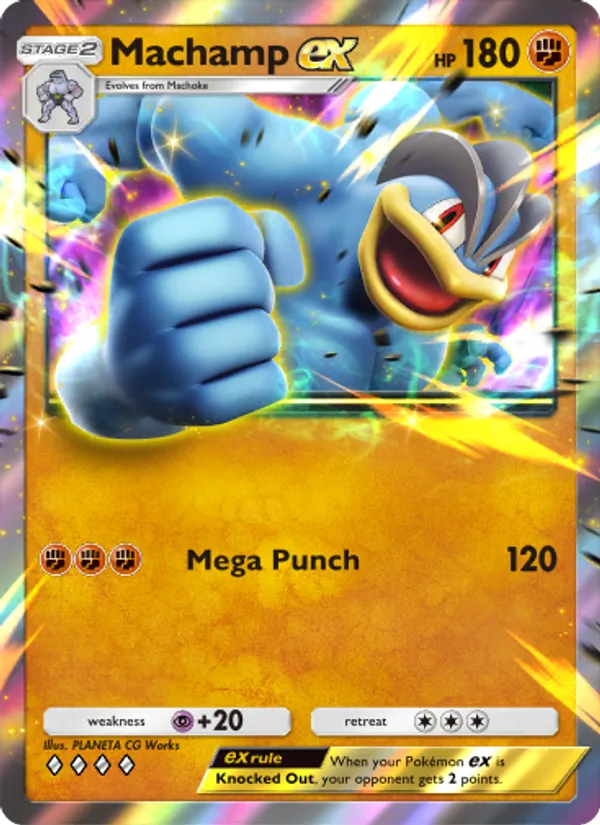
Fighting can need three of the same Energy
This Machamp ex needs three Fighting to do 120. It’s a Stage 2, so ask how many turns it’ll take you to get both the Pokémon and all three Energy ready.
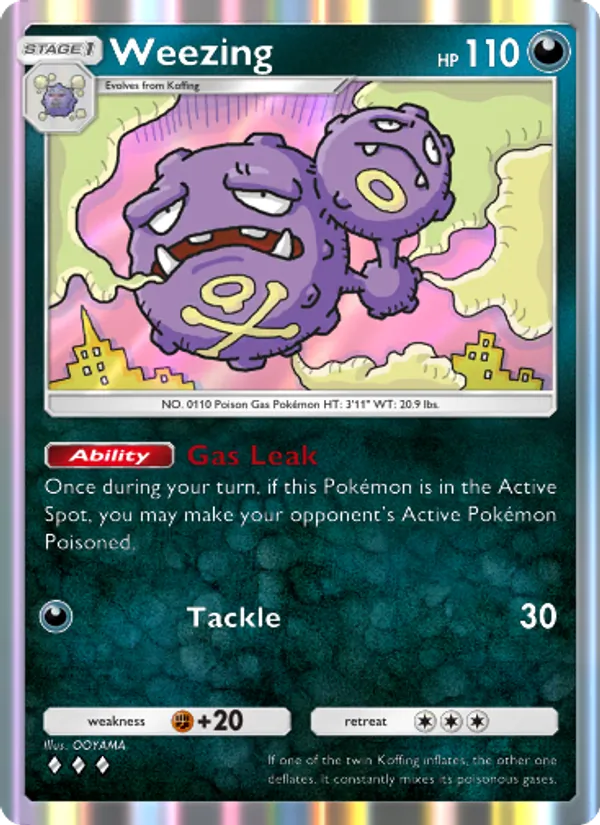
Darkness can deal damage between turns
Weezing can use its Ability to Poison the opposing Active Pokémon while it’s Active itself. That extra damage can set up a Knock Out. Think about what you’ll do if the opponent evolves, switches or heals before you take the point.
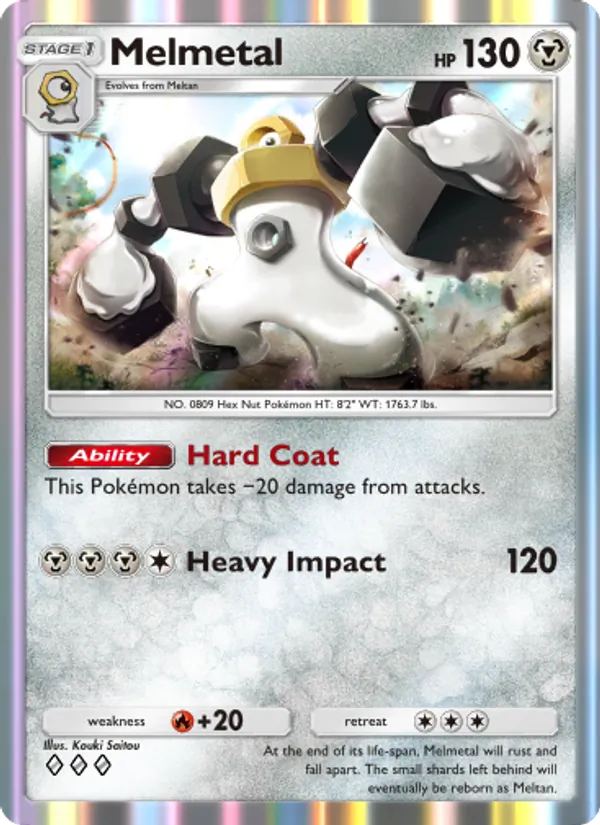
Metal can take some sting out of a hit
With Hard Coat, Melmetal takes 20 less damage from attacks. Getting it to attack takes three Metal and one more Energy of any type. Think about how you’ll use those turns while Melmetal is getting ready.
Dragon can ask for two colours
You need Water and Lightning for Dragonite. Draco Meteor picks a random target for each of its four hits. Even if there’s one Pokémon on the Bench you really want to Knock Out, the hits might land elsewhere.
Colorless can fit into different plans
Farfetch’d can attack with one Energy of any type, so it fits alongside a slow Evolution line. It could also be your opening Pokémon or the one you draw with Poké Ball. Check whether that helps you get started.
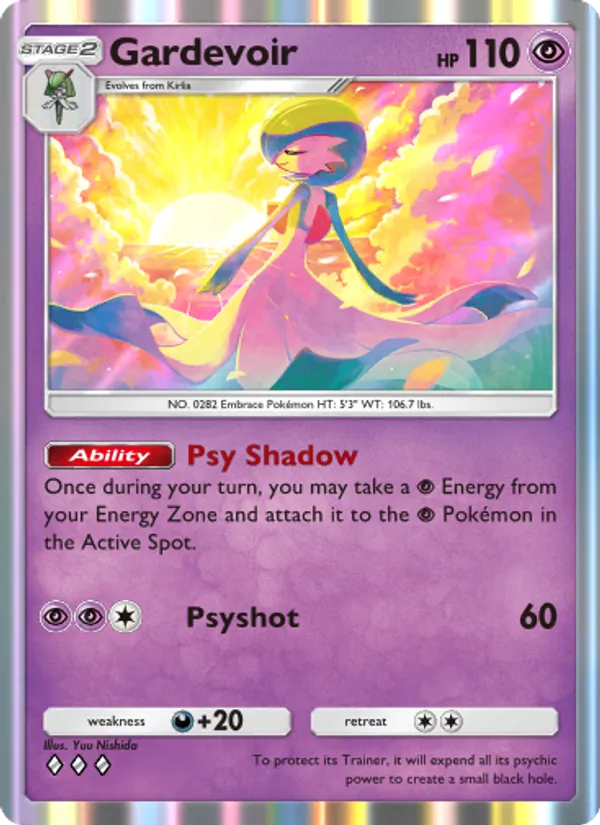
Make room for the Pokémon that helps your attacker
Gardevoir’s Psy Shadow can give your Active Psychic Pokémon one extra Psychic Energy once per turn. To get Gardevoir into play you need room for Ralts and Kirlia, unless you’re using an effect that legally skips a stage.
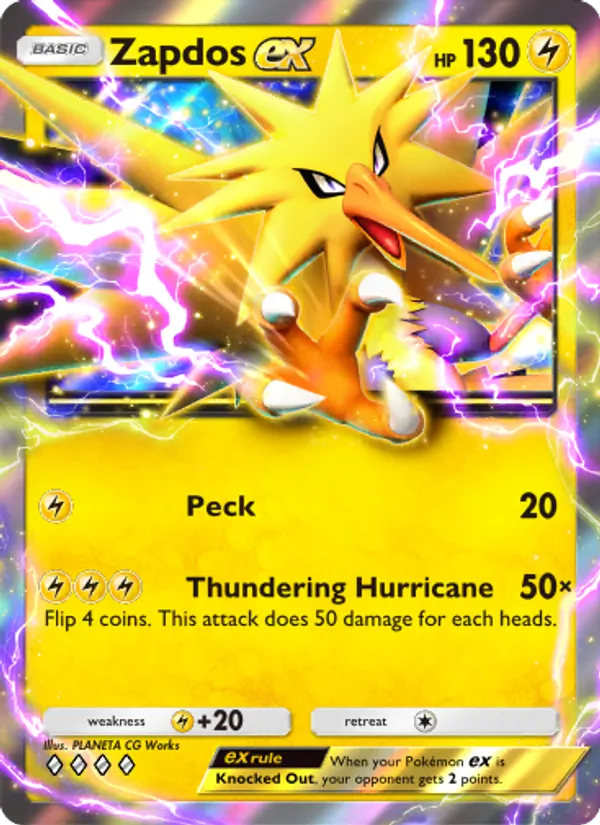
What four coin flips can get you
Thundering Hurricane from Zapdos ex flips four coins and gives you 50 damage per heads. That can land anywhere from 0 to 200. The average is 100. If the Knock Out depends on two heads, give yourself a plan for what you’ll do with one or none.
Look at a dual-type Pokémon’s types and the Energy symbols on its attacks separately. Those two types can give you more Weaknesses to hit. You still pay the cost printed by the attack. For a Mega Evolution, look at what it evolves from and how many points the rule on the card gives your opponent when it’s Knocked Out.
What to check before you attack
- Do I have enough damage? Add the attack’s damage, any bonus and applicable Weakness, then account for reductions and other effects. A damage boost matters when it gets you the Knock Out in fewer hits.
- What if this Pokémon goes down? Look over the Bench. Is anyone ready to take over? If the next attacker is still in your hand, have you left space to put it down?
- Which Supporter do I need this turn? If you’re missing an Evolution, Professor’s Research might find it. If you’ve already got the Knock Out with Blaine, make that decision before you draw.
Check the score as well as the damage. A regular Knock Out and a Pokémon ex can add up to all three points. If your opponent has two already, even a little Pokémon you’d planned to leave on the Bench could be enough for them. Try to buy the turns you need to take your own points. And if you draw your last card, keep playing. An empty deck alone doesn’t cost you the match in Pocket.
What ten games can tell you
Give your list a name such as “Blaine 1” and try a run of ten games. Jot down whether you went first or second and what you played against. That’s enough to notice a snag that keeps coming back, though it’s too few games to know how strong the deck really is.
| What to record | What it may suggest |
|---|---|
| On which of your turns did you make the first useful attack? | The attack may cost too much, the Evolution is hard to draw, or Energy went to too many Pokémon |
| Which card could not be used? | You might be drawing too many Supporters at once, getting Evolutions without the Basic, or carrying a card that’s too hard to use |
| Who had Energy when your Active was Knocked Out? | Your second attacker might need its Energy sooner |
| Did healing prevent a Knock Out? | Whether the heal or Tool kept your Pokémon around for another turn |
| What gave your opponent the last point? | An easy target on the Bench, a Supporter played too soon or a slow setup |
Swap one or two cards and try again. Change half the list and you won’t know which swap did the work. Read through any card that surprised you. If you’re playing with a friend, you can go back over a tough turn once the match timer is gone.
One last look before you tap Battle
- I have twenty cards, a Basic to start with and at most two copies of each name.
- I can get my Evolutions into play and pay for their attacks with the Energy I selected.
- I know who can hit early and who needs time to get ready.
- I can look for any missing cards and keep playing after a Knock Out.
- I’ve checked which cards my chosen mode allows.
Give a deck a few chances with the cards you have. Notice the turns that were close. A well-timed Evolution, an Energy saved by retreating for free or a hit that was just enough will teach you what to keep for the next game.
TLDR:
Pick an attacker and build your twenty cards around getting it ready. Ninetales and Rapidash hit early with Blaine, while Lilligant powers up Venusaur ex for longer fights. Check damage, Energy and your Supporter before attacking. After a few games, change one or two cards at a time.
Sources:
- Pokémon Support — official battle rules FAQ, checked 19 November 2026
- Pokémon Support — official gameplay FAQ, checked 19 November 2026
- Official Italian Pokémon TCG Pocket website — images and introduction
- App Store — 5 Deck-Building Tips for Pokémon TCG Pocket, checked 19 November 2026
- Bulbapedia — Pokémon TCG Pocket rules and victory conditions
- Bulbapedia — Stadium rules in Pocket
- Card text and reproductions — TCGdex
The pictures reproduce official game cards, downloaded from TCGdex, an independent database. Every image shows its code and links to the card’s data. The logo and opening illustration come from the official Pokémon Pocket website. Cards are shown whole and can be enlarged. Artwork and trademarks © Pokémon / Nintendo / Creatures / GAME FREAK. Original guide by PokeNews.